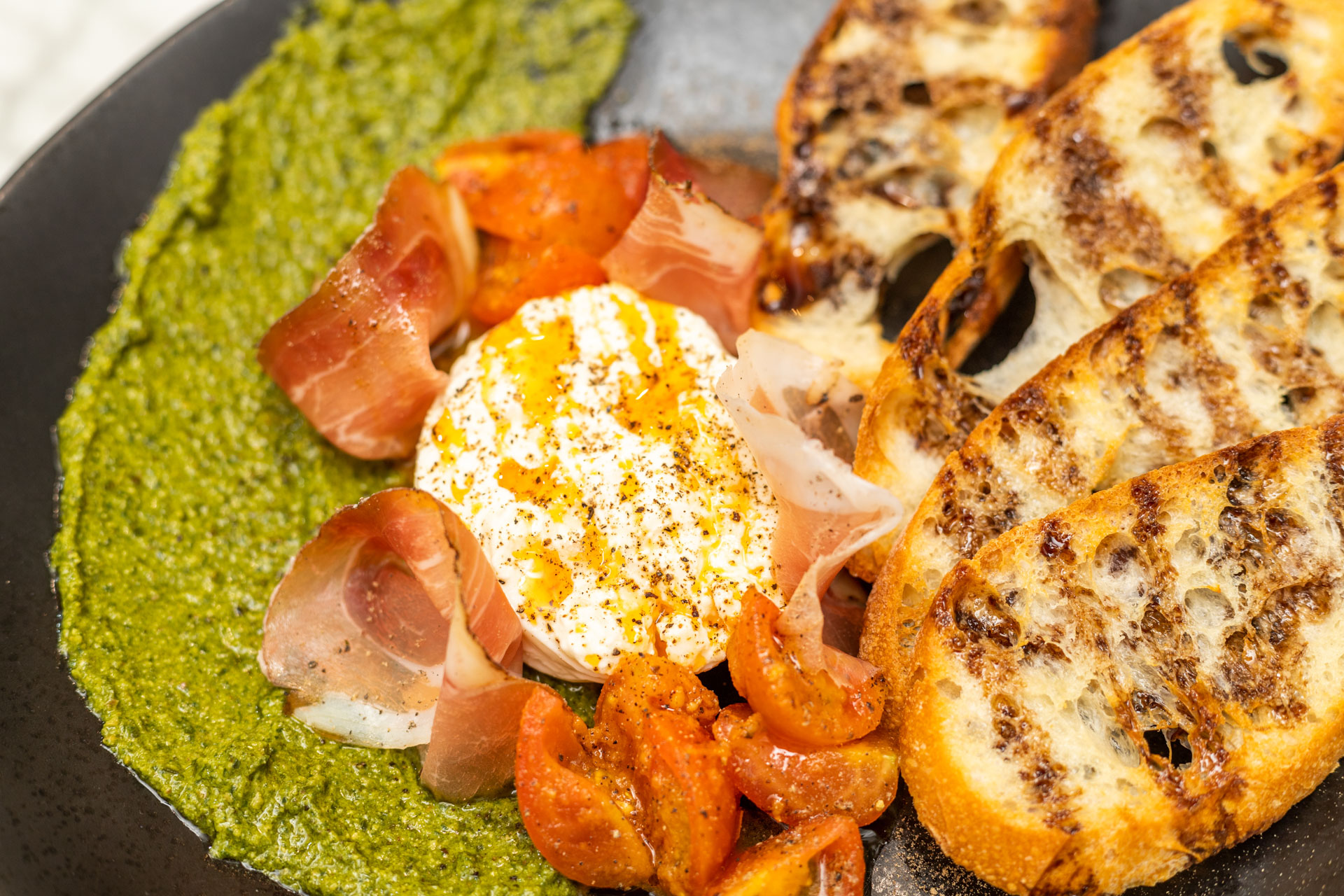
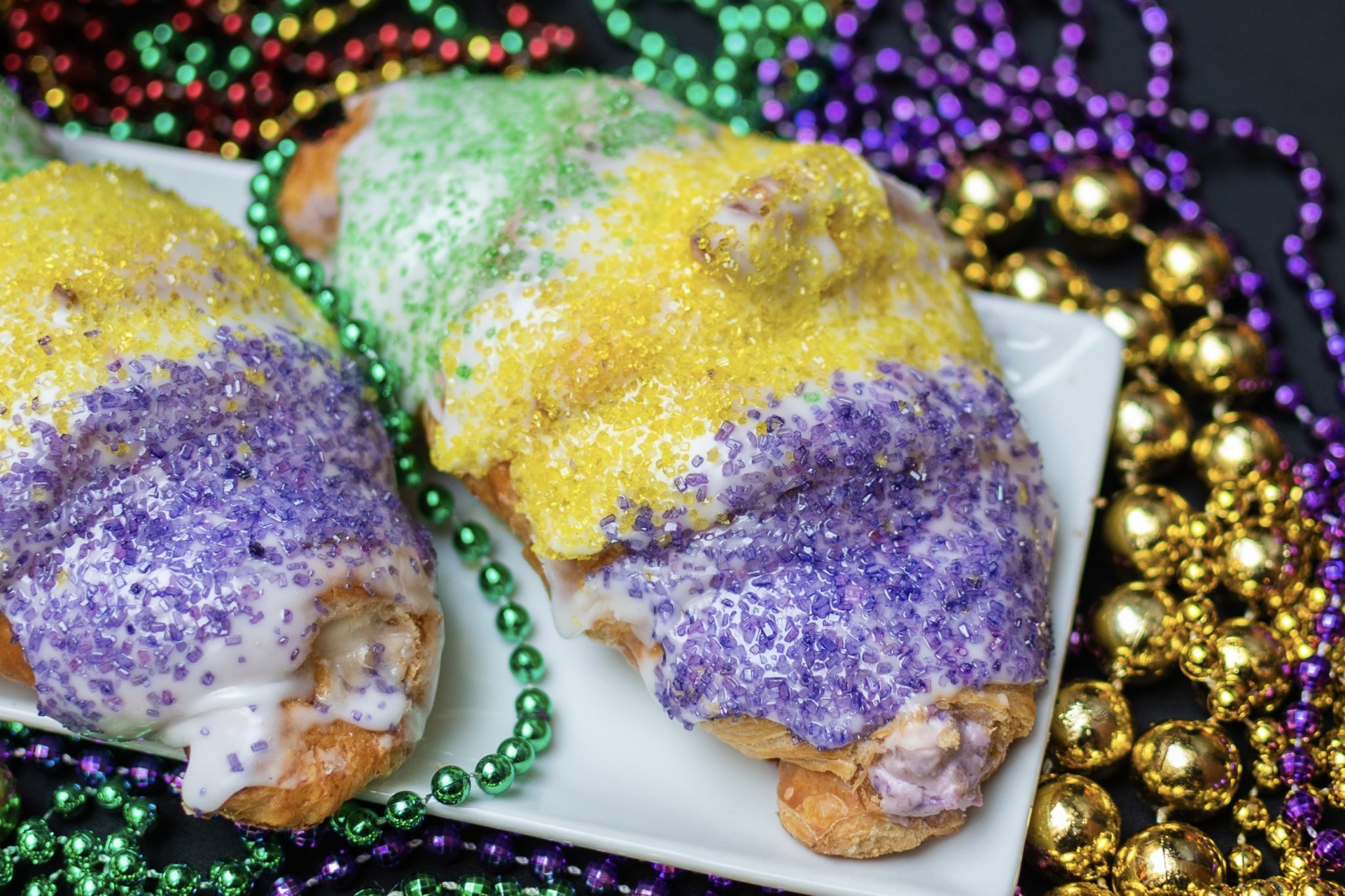
Looks can be deceiving at Yummy Donuts, the Lovers Lane shop that stands out for its “dessert doughnuts” topped with icing, candy and cookies.
As Halloween winds down, holiday feasting will quickly begin, and Celebration Market on Lovers Lane is offering a complimentary tasting event to get you in the mood for those to-die-for casseroles and pies.
The event is 11 a.m.-1 p.m. Saturday, Oct. 29 at the market, and here’s a list of the goodies you’ll find:
Cajun-fried turkey breast, rosemary roasted turkey breast, mashed potatoes, cornbread stuffing with sausage, green beans Amandine, cranberry sauce, turkey gravy, spinach casserole, broccoli rice casserole, yellow squash casserole, sweet potato casserole with marshmallows and pecans, apple pie, pumpkin pie, pecan pie and pumpkin pecan pie.
You can order feasts online through Nov. 19, and they must be picked up by Nov. 23. The market is closed on Thanksgiving Day.
The Wente family has been a mainstay of California winemaking for four generations; patriarch C.H. Wente learned the business from Charles Krug, one of the industry’s pioneers, in the late 19th century. There is even a specific kind of chardonnay grape, the Wente clone, named for the family, developed about a century ago.
So why don’t you hear more about Wente wines? For one thing, their winery is in Livermore, hardly as sexy as Napa or Sonoma. For another, their wines can be very traditional in style, which doesn’t appeal to the mass of critics who follow California wine and think old fashioned is a cocktail. But the Wente wines are always well made and always offer value, particularly for those of us how like $10 wine.
The Louis Mel ($10, purchased, available at Kroger) is an excellent example of that quality and value. This is a pleasant midweek wine that worked wonderfully with oven fried chicken and would go well with any grilled chicken or white fish. It’s not overly complex — just some citrus and pear — but that’s not a problem. It’s actually nice to taste a sauvignon blanc that is more restrained than the grapefuit puckerers so often found at this price, even from California. All in all, a more than solid wine for the price.
Last week, Bread Winners Cafe & Bakery launched its Blue Plate Specials just in time for fall, featuring specialty soups, breads and entrees. There’s a special every week day.
Monday: Chicken and biscuits; Tuesday: Denver pork stew; Wednesday: Short rib stroganoff; Thursday: Fried chicken and waffles; Friday: Fish and chips.
Soups include Sherried mushroom, Tuscan chicken and white bean, butternut squash bisque, sausage and chicken gumbo and beef barley.
For lunch, the cost is $9.99 and for dinner it’s $14.
By the way, today is National Chocolate Cupcake Day (duh!), and Bread Winners will be giving out a free one with every purchase. Our location is at Inwood Village.
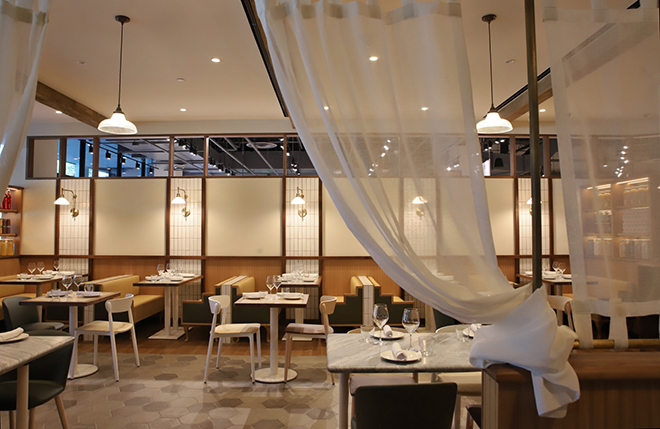
Don’t let the hard-to-pronounce-name fool you. Zio Cecio Cucina Italiana is a new, casual and family friendly restaurant coming to the old Cafe Italia space on Lovers Lane. It’s set to open Tuesday, Oct. 18.
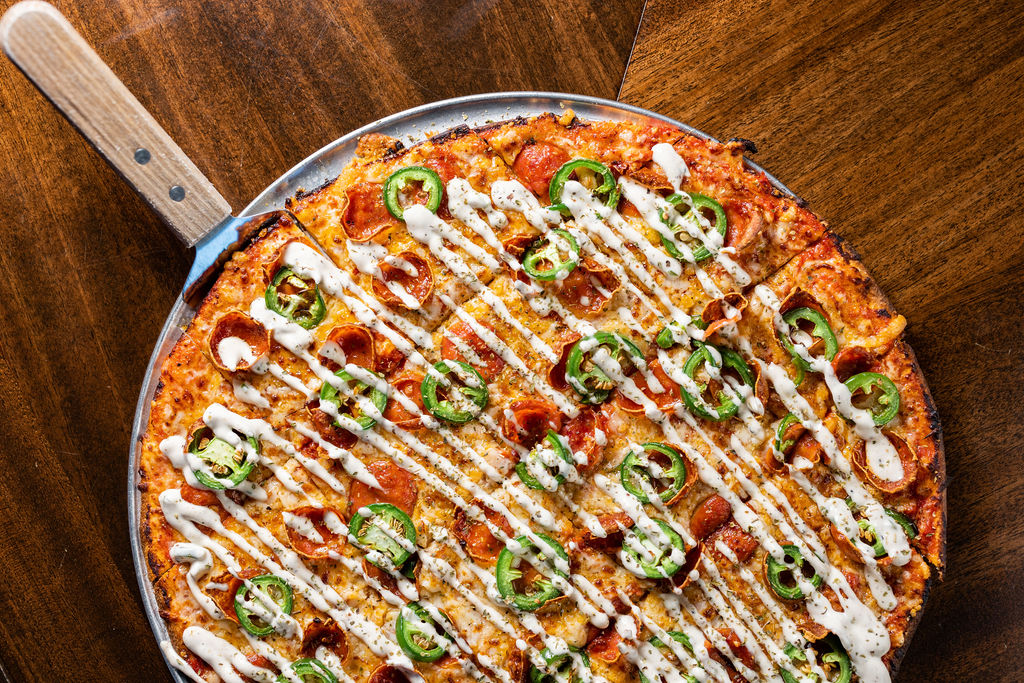
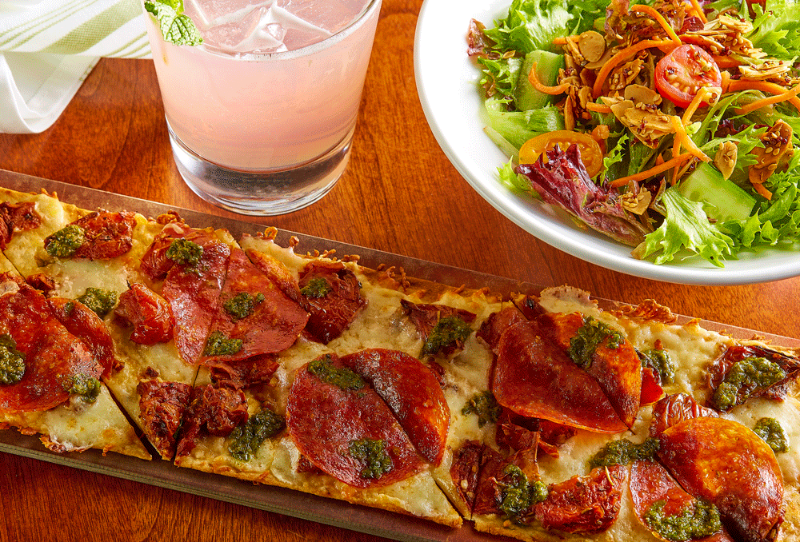
The open kitchen concept comes from Italian restaurateur Francesco Farris, and the menu features dishes inspired by his Sardinian roots. There’s wood-fired pizzas, beef and pork ragu in a San Marzano sauce, quid ink-infused spaghetti with fresh clams, ravioli filled with potatoes, fresh cheese, mint and a light rosy tomato sauce and braised veal shank in Barolo wine reduction.
‘Tis the season for new Italian restaurants in Preston Hollow. First Dough, then Princi Italia and now Zio Cecio.
Update: The Dallas Morning News Eats Blog reports the opening has been pushed back to Friday, Oct. 21.
North Haven Gardens hosts a pumpkin planting workshop and party at 1 p.m. Saturday. The cost is $45 and includes a pumpkin already cleaned, a selection of fall annuals, herbs and veggies, seasonal accents and planting mix. Register today as the class size is limited.
The Shops at Park Lane hosts Hot Dames & Chili Flames 11 a.m.-4 p.m. Saturday and Sunday, featuring a Les Dames d’ Escoffier of Dallas culinary treasure sale (Saturday) and a chili and chowder cook-off (Sunday) with live music and samples.
It’s your last chance to view the current exhibit at Norwood Flynn Gallery. “Poets and Cattle” features the painting of Oak Cliff artist Ray-Mel Cornelius and closes Saturday.
The key to success for regional wine is not so much about quality or even pricing. It’s about producing wine that reflects the place where it is made. Regional wine will never be successful if it’s nothing more than a knockoff of what’s being done elsewhere — and where it’s being done better, as well.
That’s why the best regional wine has a sense of terroir, whether it’s a New York riesling, a Missouri norton, or a Virginia viognier. The top producers in those states know they have to compete with California, but they have also realized they don’t have to do it on California’s terms. They can do it on their terms.
That’s what we’ve finally figured out in Texas. There has been a revolution in the past five years, with growers and winemakers embracing warm climate grapes in a way I never thought possible. Today, we have quality wines made with tempranillo, roussanne, syrah, sangiovese, blanc du bois, black Spanish, and viognier — grapes better suited for the Texas terroir than the traditional French varietals. Even the state’s biggest producers, who can sell (and need to sell) chardonnay and cabernet sauvignon because they’re in grocery stores, are using these new varietals to produce fascinating wines.
One of the best examples of the revolution is McPherson’s La Herencia ($14, sample, available at Central Market), a tempranillo blend that has the Spanish grape’s varietal characteristics yet retains a Texas quality. It’s richer and more full than a Rioja, the best-known tempranillo from Spain, with more red fruit. But it’s not too fruity or too tannic or too alcoholic, like so many California wines. Serve this with barbecue, almost any main course with rice (like jambalaya), and even some roast or grilled chicken dishes.
One of the other hats I wear is as co-founder of DrinkLocalWine, where we focus on wine made in the 47 states that aren’t California, Oregon, and Washington. We’re holding our fourth annual regional wine week this week, and there are articles and links to regional wine throughout the country, including Texas. Regional wine is part of significant changes going on in the wine business that much of the wine business is missing, and Texas wine has played a key role in those changes.
OK, the Meadows Museum isn’t exactly a restaurant, but I thought I’d use our Monday Restaurant Talk series to tell you about a program, Wine Tasting Your Way Through Spain, at 6:30 p.m. Wednesday Thursday, Oct. 13 in the Jerry Jones Great Hall on campus.
Patrons can enjoy native red and white wines paired with light fare from Central Market while discovering the Meadows’ Spanish art collection.
Admission is $45 for non-members and $35 for members. Call 214.768.2765.
The Cultured Cup moved out of its Preston Center home this summer and shifted its focus to online sales of its specialty teas, chocolates and coffees. That’s still the case although now, the owners have opened a new location off Alpha and Midway where they’ll host programs and tastings.
There’s an open house 11 a.m.-5 p.m. this Saturday and all week, you can receive a 15 percent discount on items. The new sampling program includes a 0.5-ounce sample of tea for every 16 ounces of tea purchased and a 2 ounce sample of coffee when a customer orders 3 pounds of coffee.
Also during the open house, Billy Dietz will host a program oolong teas. He’s the world’s youngest Certified Tea Specialist. Cultured Cup co-owner Kyle Stewart was the first in Texas. These guys know what they’re talking about.
The first time time I tasted the Tormaresca chardonnay, I knew two things. First, that Italian chardonnay was not something most people wanted to write about. The Italians had plenty of other white wine grapes; what were they doing messing around with chardonnay? The other thing I knew was that Tormaresca made really good cheap wine.
So I really wasn’t surprised at the quality. Tormaresca, as a producer, is that good. Somehow, on their property in Puglia in the Italian boot heel, they do things that other wineries can only dream about.
The current vintage of the chardonnay ($12, sample) is better than ever — bright, clean and crisp (almost too much crisp, actually, though that should not be noticeable as the bottle ages). There is lots of green apple fruit, the wine has enough oak to complement the fruit but not to overwhelm it, and it’s only 12 1/2 percent alcohol. As always, I wonder why the Italians can make such a pleasant chardonnay while so many in California, where chardonnay is an important grape, stumble in the dark trying to do the same thing. Drink this chilled on its own, or pair it with a variety of white wine food — roast chicken, spaghetti carbonara or even Sunday brunch.